Industrial construction best practices for large facilities demand early integration of mechanical, electrical, and fire protection systems. Arden Building Companies coordinates these complex scopes across manufacturing plants and distribution hubs. Federal funding from the IIJA, IRA, and CHIPS Act drives project volume despite labor shortages. Integrated design-build delivery reduces costly rework and accelerates timelines for capital project managers.

Key Takeaways

  • Early integration of mechanical, electrical, and fire protection systems eliminates costly rework during construction.
  • Federal funding from the IIJA, IRA, and CHIPS Act drives project volume despite labor shortages and material price fluctuations.
  • Modular prefabrication compresses construction schedules and tightens quality control for large industrial facilities.
  • Standardizing MEP systems across multiple facility locations optimizes schedules and reduces costs while maintaining consistent quality across the portfolio.

What defines industrial construction best practices?

Industrial construction best practices center on rigorous planning, strict regulatory compliance, and seamless coordination across complex mechanical and electrical systems. Facilities like warehouses, manufacturing plants, and data centers demand integrated building systems construction that leaves no margin for error. Without disciplined execution, project owners face cascading delays, budget overruns, and operational failures that erode long-term asset value.

Why is early systems coordination critical in industrial projects?

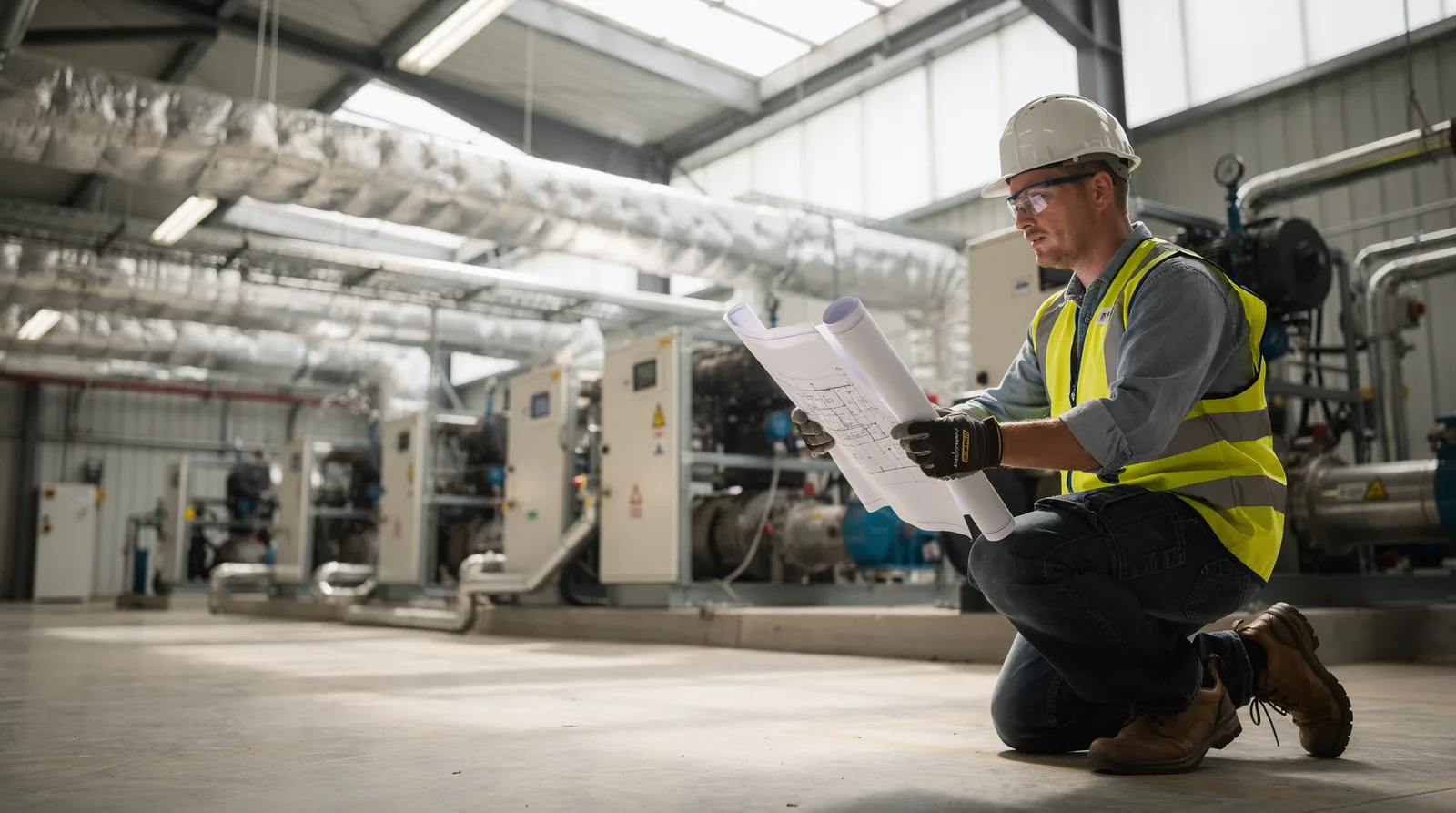
Industrial facilities house interdependent mechanical, electrical, and fire protection networks. Coordinating these systems during preconstruction prevents costly clashes during installation. Industrial construction services that prioritize early collaboration reduce rework and keep schedules intact. The complexity of these environments means retroactive fixes often double the original installation cost.

How does federal funding shape current industrial construction demand?

Federal investment continues driving a steady pipeline of manufacturing and industrial projects. Funding from the Infrastructure Investment and Jobs Act, the Inflation Reduction Act, and the CHIPS Act sustains activity even as material prices fluctuate and labor pools tighten. Project owners who delay capitalizing on these programs risk losing competitive positioning as capacity fills across New England.

Arden Building Companies, the holding company for Arden Engineering Constructors, Corporate Mechanical of New England, Earthwise Energy Technologies, MJ Daly, and Unique Metal Works, can fulfill your building or facility needs, ensuring improved building operations and lower energy consumption. The company’s evolution into a multi-faceted group of firms reflects decades of adapting to shifting regulations and advancing technologies. Facility owners navigating the differences between project types benefit from understanding how commercial and industrial mechanical contractors approach system complexity, safety protocols, and prefabrication strategies. That distinction directly shapes project outcomes and long-term operational reliability.

How does early MEP integration reduce project risk?

Early integration of mechanical, electrical, and fire protection systems eliminates costly rework during construction. Multidisciplinary coordination from the design phase prevents clashes that derail schedules and inflate budgets.

What risks emerge when MEP design happens in isolation?

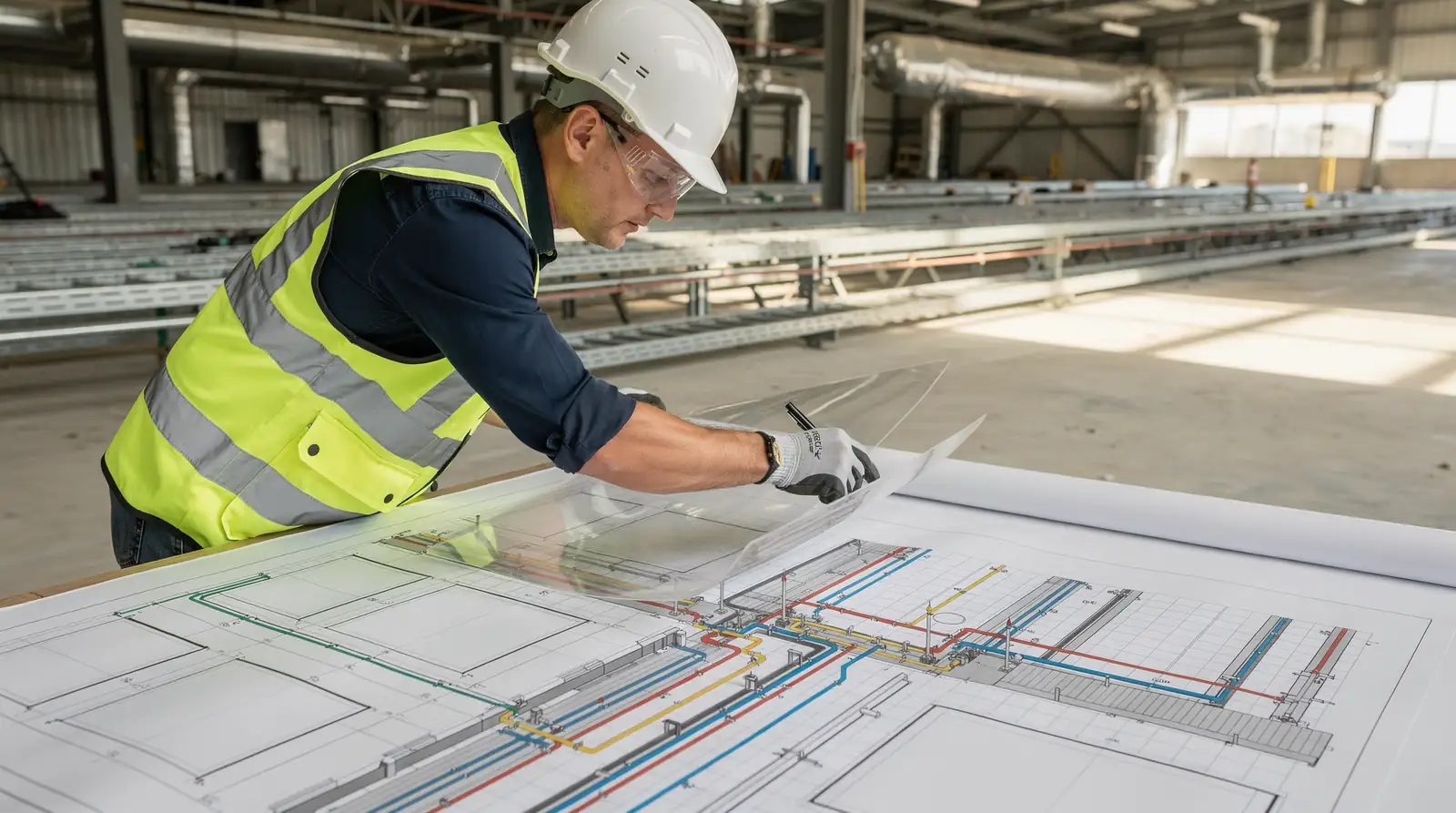
Isolated MEP design creates conflicts that surface only during installation. Ductwork collides with structural steel. Conduit pathways block sprinkler lines. These discoveries force field modifications, material reorders, and schedule extensions. Each clash compounds labor costs and delays project turnover. The financial impact multiplies when issues remain undetected until the construction phase.

How does standardization across facilities reduce long-term risk?

Standardizing MEP systems across multiple facility locations optimizes schedules and reduces costs. Project teams capture lessons learned from previous builds and apply them efficiently to new developments. This approach maintains consistent quality standards across every site. Coordination improves because teams work from proven configurations rather than reinventing solutions for each project. Coordination improves because teams work from proven configurations rather than reinventing solutions for each project. Industrial facility owners gain predictable outcomes and fewer commissioning surprises.

Arden Building Companies brings extensive experience to these challenges. The company’s comprehensive skill sets cover industrial construction services, including mechanical, electrical, and fire protection construction services, plus building automation. Advanced virtual design and construction workflows enable clash-free coordination before any material reaches the job site. For building systems construction that demands precision, the company collaborates with clients to achieve the highest level of quality. Complex building systems require this integrated approach. Without it, project teams absorb unnecessary risk through every phase of delivery.

What role does modular prefabrication play in large facilities?

Project teams that bypass this approach lose the compounding efficiency gains that repeatable, off-site assembly delivers across multi-building programs. The method shifts critical path work from unpredictable job sites into controlled shop environments.

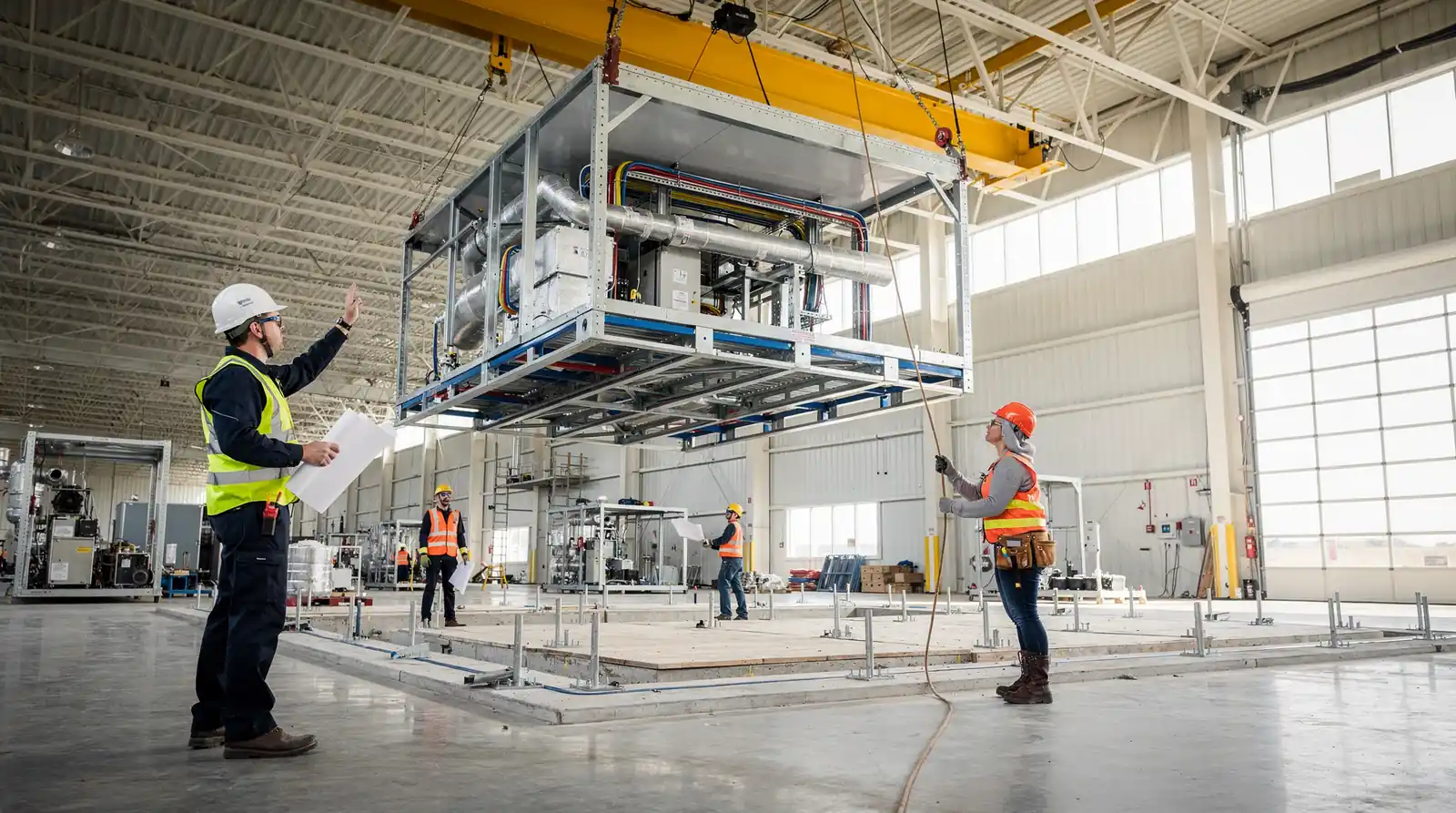
Arden Building Companies integrates building systems construction directly into its prefabrication workflow. The company’s pipe and sheet metal fabrication capabilities enable off-site assembly that accelerates on-site installation and improves quality control. Skilled technicians build complex mechanical, electrical, and fire protection components under factory conditions. These finished modules arrive at the project site ready for rapid connection and commissioning.

How does off-site fabrication improve quality control?

Shop-based assembly eliminates weather delays and reduces rework caused by field conditions. Every weld, joint, and pressure test occurs in a controlled setting with dedicated inspection protocols. The result is a measurably lower defect rate compared to traditional stick-built methods.

Can prefabrication capture lessons from past projects?

Standardized modular approaches help project teams capture lessons learned from previous facilities and apply them more efficiently to future developments. Each completed module becomes a refined template. Subsequent builds benefit from documented improvements in material handling, assembly sequencing, and dimensional accuracy. This repeatable process tightens quality control across every structure in the program.

The impact scales with program size. Arden Building Companies employs 450 professionals across its integrated network of subsidiaries to support unified project delivery. This depth allows parallel fabrication of multiple building system modules while site work proceeds simultaneously. Industrial facility owners gain schedule certainty and consistent installation quality across every structure in the program.

How can energy-efficient lifecycle planning lower operating costs?

Energy-efficient lifecycle planning reduces operating costs by integrating building automation and specialized energy systems from the earliest design phase. Facility owners who delay these decisions until after construction lock in decades of unnecessary utility expense. A building’s mechanical and electrical infrastructure determines its lifetime energy consumption, making pre-construction planning the single most powerful lever for cost control.

What role does building automation play in long-term savings?

Building systems construction that includes intelligent controls delivers immediate and sustained financial returns. Arden Building Companies integrates building automation solutions during construction to improve building operations and reduce long-term energy consumption. These systems continuously optimize heating, cooling, and lighting based on real-time occupancy and weather data. Without this integration, facility managers lose the ability to fine-tune performance as operational needs shift.

How do specialized energy solutions complement mechanical construction?

Earthwise Energy Technologies, a subsidiary of Arden Building Companies, provides specialized energy solutions that complement the company’s mechanical construction services. This combination allows industrial facility owners to address both the structural and operational sides of energy efficiency in a single coordinated effort. The result is a building that costs less to run from day one.

Why does site selection matter for lifecycle costs?

Site work typically comprises a significant percentage of the total project budget. Poor site selection forces expensive remediation, extended utility runs, and drainage complications that compound over the facility’s life. Industrial construction services that evaluate energy implications during site selection prevent these hidden costs from eroding operating budgets year after year.

What should owners prioritize for successful project delivery?

Owners must prioritize integrated project delivery that controls risks, costs, and timelines for large industrial facilities. Fragmented contracting multiplies coordination failures and schedule delays.

Selecting a contractor with integrated construction services is the single most consequential decision. Arden Building Companies provides mechanical, electrical, fire protection, and automation disciplines under one roof. This structure creates single-point accountability. When multiple trades report through separate contracts, gaps between scopes become the owner’s liability. A unified building systems construction approach eliminates those gaps.

How does integrated contracting reduce owner risk?

Disjointed contracts scatter responsibility across multiple firms. Each contractor optimizes its own scope, not the project outcome. Arden Building Companies, headquartered in Pawtucket, Rhode Island, operates as New England’s premier mechanical contractor with a comprehensive industrial construction services portfolio. The company’s skill set spans mechanical, electrical, and fire protection construction, plumbing, service and maintenance, pipe and sheet metal fabrication, and building automation. Owners gain a single throat to choke when performance issues arise.

What trades should a single contractor control?

Mechanical, electrical, and fire protection systems form the operational backbone of any industrial facility. These systems interact continuously. A mechanical contractor’s role in designing and maintaining building infrastructure determines long-term reliability. Separating these scopes across multiple contractors introduces interface risks that compound over the facility’s lifecycle. Coordinated delivery through one accountable partner prevents the finger-pointing that plagues multi-contractor projects.

FAQ

What defines industrial construction best practices for large facilities?

Rigorous planning, strict regulatory compliance, and seamless coordination across complex mechanical and electrical systems define these practices.

Why is early MEP integration critical in industrial projects?

Early integration of mechanical, electrical, and fire protection systems during preconstruction prevents costly clashes and eliminates rework during installation.

How does federal funding affect current industrial construction demand?

Federal funding from the IIJA, IRA, and CHIPS Act drives project volume despite labor shortages and material price fluctuations.

Conclusion

Industrial facility owners who apply these best practices (off-site fabrication, integrated MEP delivery, energy-efficient lifecycle planning, and unified single-contractor accountability) secure measurable advantages in schedule certainty, installation quality, and long-term operating cost control. The decision to consolidate mechanical, electrical, fire protection, and automation scopes under one accountable partner eliminates coordination failures and prevents interface risks from becoming the owner’s liability. This approach transforms a complex construction program into a predictable investment.

Any questions? Send us feedback here