Industrial construction best practices for large facilities demand integrated mechanical, electrical, and fire protection systems from a single provider. Arden Building Companies coordinates these complex builds across New England, ensuring improved building operations and lower energy consumption. Industrial construction services reduce coordination risks and deliver higher quality outcomes for manufacturing plants and distribution hubs.

Key Takeaways

  • Integrated mechanical, electrical, and fire protection systems from a single provider reduce coordination risks and deliver higher quality outcomes.

  • Early geotechnical and infrastructure assessments prevent irreversible financial drains from soil remediation and inadequate utility access.

  • Aligning mechanical, electrical, and plumbing engineering during preconstruction prevents costly field conflicts and expensive redesigns.

  • Building automation and smart energy management systems improve operational reliability while lowering energy consumption across entire facilities.

What defines industrial construction best practices?

Industrial construction best practices center on rigorous planning, strict regulatory compliance, and the seamless coordination of complex mechanical and electrical systems. Projects that lack these disciplines face cascading delays and budget overruns that erode profitability. Industrial construction services demand a methodical approach from site selection through final commissioning.

Why does site selection dominate early project costs?

Site work typically comprises a significant percentage of total project cost in industrial builds. A poorly evaluated location introduces soil remediation expenses, inadequate utility access, and logistical bottlenecks that no design revision can fully correct. Early geotechnical and infrastructure assessments prevent these irreversible financial drains.

How do integrated systems reduce project risk?
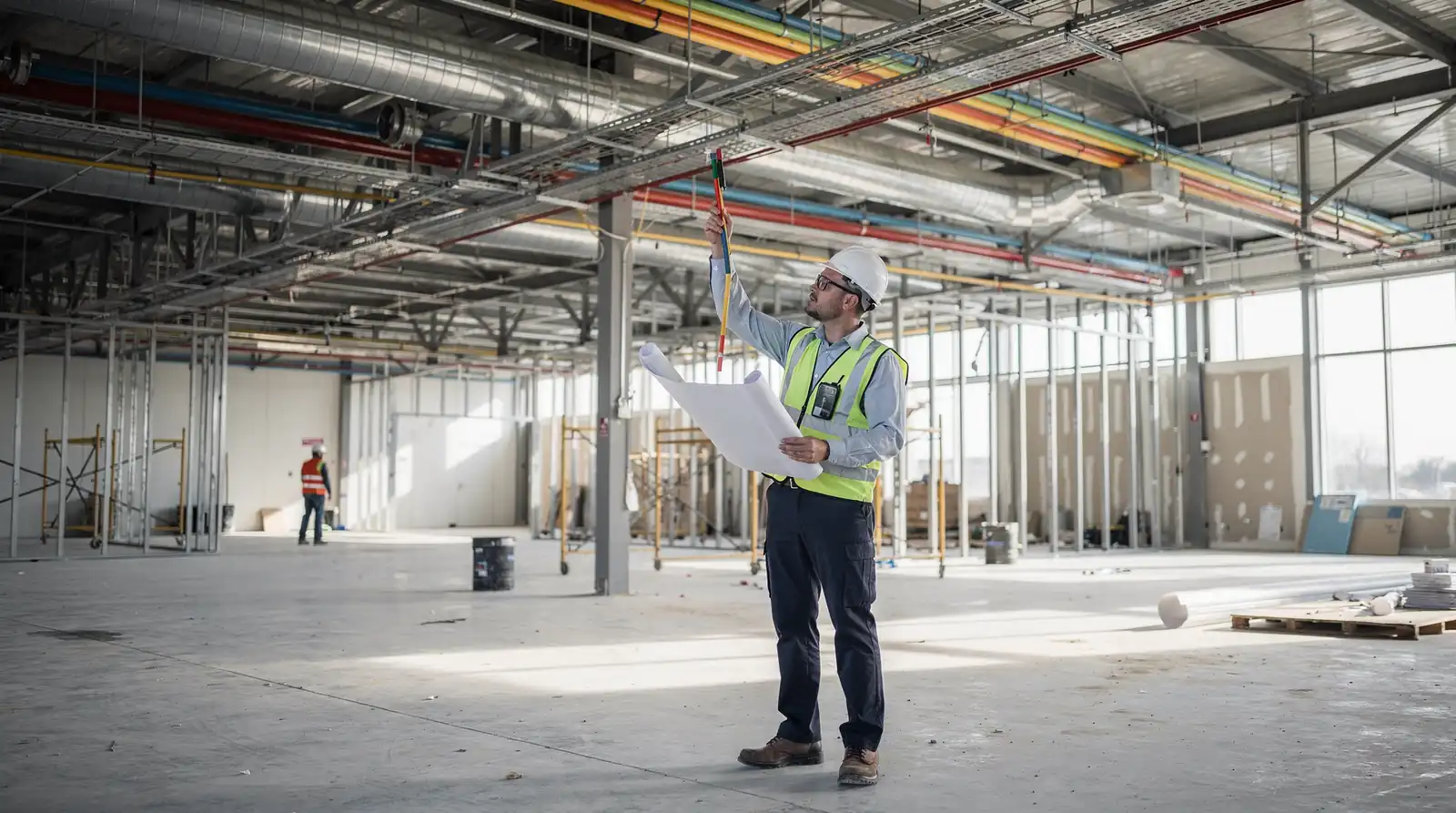
Facilities such as manufacturing plants and data centers depend on tightly coordinated mechanical construction services and electrical construction services. When HVAC, process piping, power distribution, and fire protection operate as disconnected scopes, system conflicts multiply during installation. Arden Building Companies delivers these interdependent trades under unified oversight, eliminating the gaps that fragment typical project delivery. The company’s capabilities span mechanical, electrical, and fire protection construction, along with building automation and ongoing maintenance. This integrated model mirrors the planning discipline required for commercial versus industrial mechanical systems, where complexity and safety standards diverge sharply.

How does early MEP integration improve outcomes?

Early coordination of mechanical, electrical, and plumbing engineering minimizes downtime and change orders in large facilities. Aligning these systems during preconstruction prevents costly field conflicts. Without this integration, facility executives face schedule delays that erode project budgets and extend operational startup timelines.

Why do change orders spike without early MEP coordination?

Clashes between ductwork, conduit, and piping discovered during installation force expensive redesigns. These late-stage fixes disrupt multiple trades and compress commissioning windows. The result is a facility that opens behind schedule and over budget.

How does unified project delivery reduce risk?
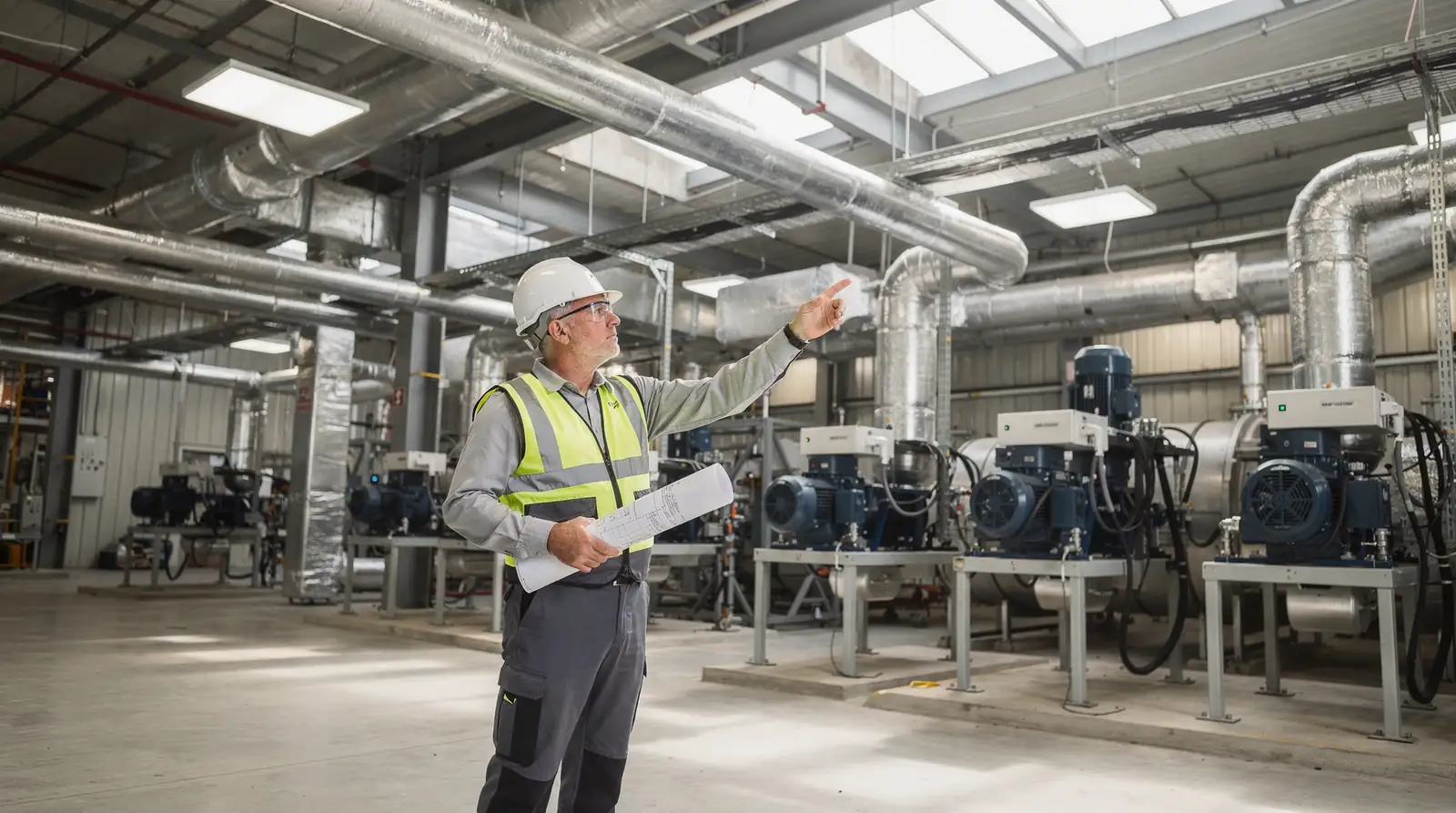
Arden Building Companies delivers end-to-end mechanical, automation, and fabrication solutions through its integrated network of subsidiaries. This structure enables a single point of accountability for complex industrial construction services. The company’s mechanical construction services include pipe and sheet metal fabrication, which keeps critical components under direct quality control rather than outsourced to third parties.

Facility owners gain schedule certainty when fabrication and installation operate in parallel. Electrical construction services integrate with mechanical scopes from day one, eliminating the sequencing gaps that plague traditionally siloed projects. For New England plant directors managing active production environments, this coordinated approach shrinks retrofit durations and protects ongoing operations. The company’s mechanical and HVAC system installations support this integrated delivery model across every project phase.

What role does energy efficiency play in industrial facilities?

Energy efficiency determines the long-term viability of industrial facilities. It directly controls operating costs and environmental compliance. Facility executives who overlook energy performance face rising utility expenses and regulatory penalties that erode profitability.

Industrial operations consume massive amounts of power. Heating, cooling, and automated systems run continuously. Without optimization, these systems waste resources at an accelerating rate.

How do building automation systems reduce energy waste?

Building automation and smart energy management systems improve operational reliability while lowering energy consumption. Intelligent controls adjust heating, cooling, and lighting based on real-time occupancy and equipment demands. Arden Building Companies delivers building automation solutions that integrate these controls across entire facilities. The result is precise energy use without sacrificing performance.

Why are high-efficiency HVAC systems essential for New England facilities?

High-efficiency HVAC systems are critical for regional environmental compliance across New England. Strict state regulations demand reduced carbon output from large commercial and industrial buildings. Modern mechanical systems meet these standards while cutting monthly energy bills. Arden Building Companies ensures improved building operations and lower energy consumption through its comprehensive mechanical construction services and electrical construction services. The company’s work spans design, installation, and ongoing maintenance.

What services support long-term energy performance?

Industrial construction services from Arden Building Companies cover mechanical, electrical, and fire protection construction. The company also provides plumbing, pipe fabrication, sheet metal fabrication, and building automation. These integrated offerings create facilities that perform efficiently from day one. Lower energy consumption becomes a built-in feature, not an afterthought.

FAQ

How do integrated systems reduce project risk in large facility construction?

Arden Building Companies delivers mechanical, electrical, and fire protection construction under unified oversight, eliminating gaps that fragment typical project delivery.

Why does early MEP integration improve construction outcomes?

Aligning mechanical, electrical, and plumbing engineering during preconstruction prevents costly field conflicts and expensive redesigns in large facilities.

What role does site selection play in industrial construction costs?

Site work typically comprises a significant percentage of total project cost, and early geotechnical assessments prevent irreversible financial drains from soil remediation.

Conclusion

Industrial construction for large facilities demands disciplined site evaluation, integrated MEP coordination, and energy-efficient system design from the outset. Facility executives who commit to these best practices avoid the cascading delays and budget overruns that plague fragmented project delivery. The decision to unify mechanical, electrical, and automation scopes under single accountability transforms a high-risk build into a predictable, high-performance asset.

Any questions? Send us feedback here